





- Home
- →
- Attractions
- →
- Castle Pischali
Castle Pischali
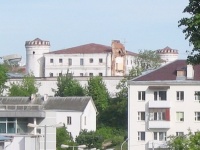
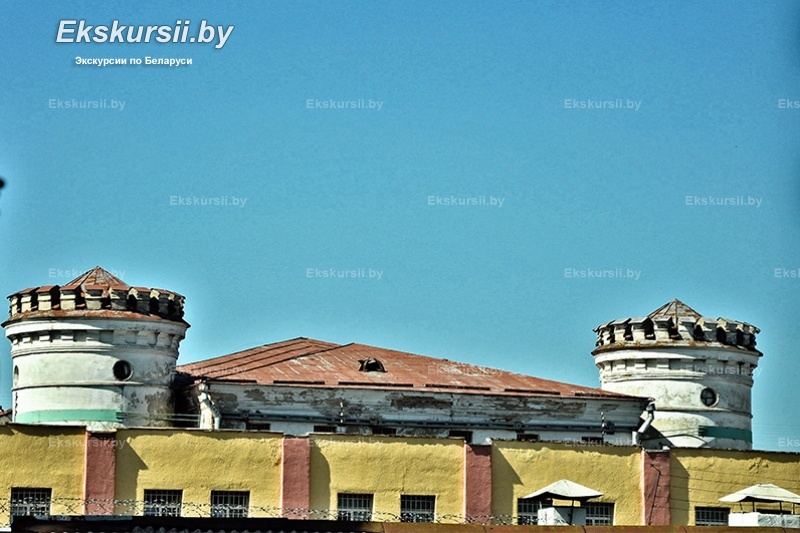
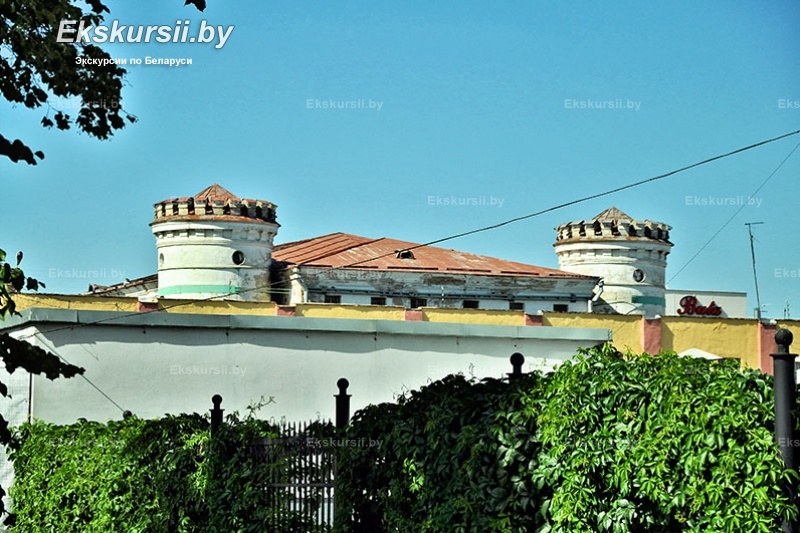
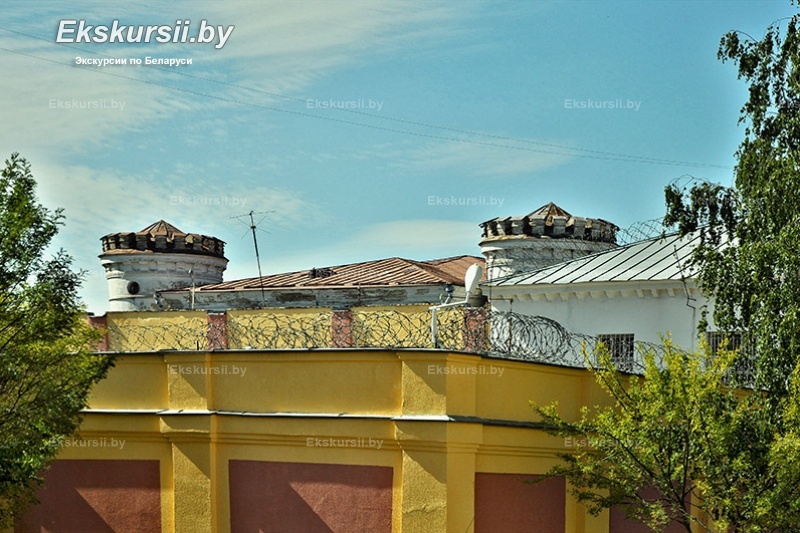
Pischalovsky Castle is one of the most mysterious landmarks of Belarus. This austere architectural monument of the 19th century is known for its dark history and unofficial name, the "Belarusian Bastille."
The Dark History of a Minsk Landmark
Pischalovsky Castle was built in 1825 on a hill in the Romanov Suburb according to the design of Kazimir Khrshanovich. It was commissioned by landowner Rudolf Pischallo, but contrary to myths, he was not the architect, only the contractor. For almost 200 years, the building was always used as a prison, housing insurgents, writers, and revolutionaries. Among its prisoners were Vintsent Dunin-Martsinkevich, Karus Kaganets, Ales Harun, Yakub Kolas, and executed revolutionary Ivan Pulikhov.
During Stalin’s repressions in 1937, 36 Belarusian cultural figures were executed in the castle’s basement, and a total of about 100 people were killed there between 1937 and 1940. During World War II, the castle held captured partisans and underground fighters, some of whom were tortured and executed.
From 1953, Pischalovsky Castle remained the only place in Belarus where death sentences were carried out. In 2008, one of its towers collapsed. In the second quarter of 2024, Pischalovsky Castle was vacated, and all prisoners were transferred to other detention facilities.
Architectural Features
Pischalovsky Castle is a striking example of early classicism with neo-Gothic elements, making it unique among prison buildings in Belarus. It was designed in the style of a medieval European castle, which was unusual for such structures in the 19th century.
The building has a rectangular shape and consists of four wings enclosing an inner courtyard. Massive round towers with loopholes are located at the corners, giving it the appearance of a fortress. The central section is higher than the side wings, and its façade is adorned with symmetrically arranged arched windows.
The structure was built of brick and covered with plaster. Initially, the walls were painted in a light color, but over time, the façade lost its decorative finish. The walls are up to one meter thick, providing excellent sound insulation and security against escapes.
Despite its utilitarian purpose, the building stands out with its expressive architecture. Gothic elements can be seen in the design of the towers and window openings. Cornices and inter-floor bands give the façade a strict yet solemn appearance. The towers' roofs were once covered with iron, but their design has changed over the years.
Legends and Mystical Atmosphere
Pischalovsky Castle has always been shrouded in dark legends. Over nearly 200 years, tragic events have taken place here, giving the building a reputation as one of the eeriest places in Minsk. It is often compared to European ghost castles, as many believe that something inexplicable lingers within its walls.
It is said that the spirits of those who spent their final days here haunt the castle’s underground chambers. One of the most frequently mentioned ghosts is that of Ivan Pulikhov, executed for attempting to assassinate Minsk Governor-General Kurlov. According to legend, his restless spirit occasionally appears in the castle’s windows.
Some visitors claim to have seen shadows of people slowly moving across the courtyard, even when the building was empty. At night, strange noises, muffled voices, and even groans have been reported.
According to another legend, prison guards who worked at Pischalovsky Castle often encountered unexplained phenomena. Some reportedly lost their sanity or suddenly fell ill after night shifts. Many believed it was the revenge of prisoners who had been tortured in the prison's basements.
There are also rumors of underground tunnels beneath Pischalovsky Castle that once connected to various parts of the city. Some speculate that they were used for secret executions or escapes. However, there is no official confirmation, and the entrances have long been sealed off.
Excursions with an External Tour of Pischalovsky Castle
Pischalovsky Castle is one of the most intriguing places in Minsk, attracting tourists with its dark history and striking architecture. Although the building is closed to visitors, it can be seen as part of Minsk excursions featuring an external tour.
During the excursion, a guide will share the history of the castle, its role in Belarusian history, and stories of its most famous prisoners. You will learn about legends, mystical tales, and the fate of this unique structure after the prison was closed in 2024.
Booking an excursion with an external tour of Pischalovsky Castle in advance is recommended to choose a convenient date and time. This is a great opportunity to immerse yourself in the past, uncover unknown facts, and see the "Belarusian Bastille" with your own eyes.